

The 2026 Honda CR-V and 2026 Toyota RAV4 Compared to Help You Choose the Right Compact SUV
October 08 2026,
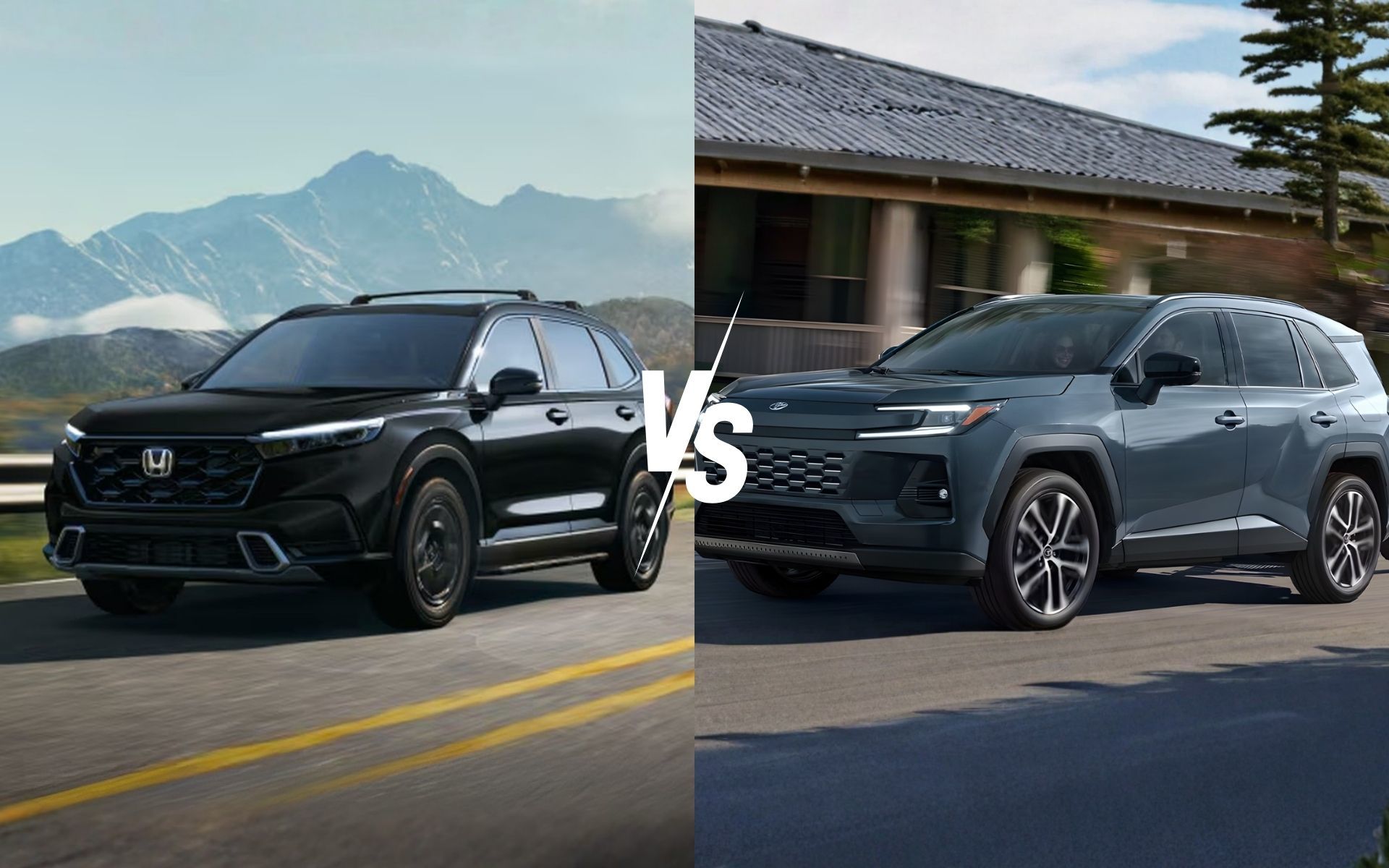
The 2026 Honda CR-V and 2026 Toyota RAV4 now share a milestone: both are sixth-generation models. That common ground makes the differences easier to see. The CR-V Hybrid is built around a smooth two-motor hybrid system, generous rear passenger space, and a cargo area that is simple to use. The RAV4 answers with a newer-generation cabin and a hybrid powertrain that is now standard across the lineup. This comparison looks at what each approach means for daily driving.
Honda’s Two-Motor Hybrid Feels Different
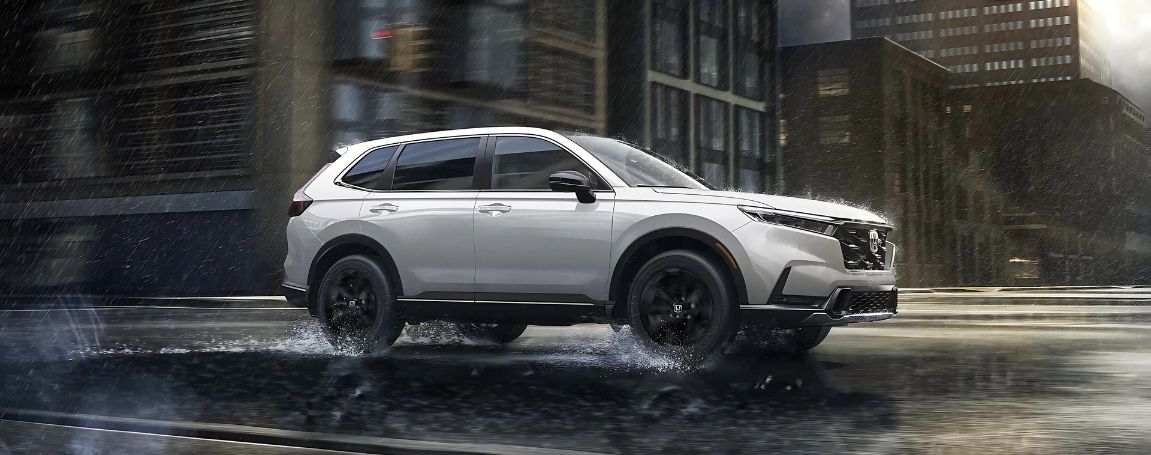
Under the hood, the Honda CR-V Hybrid pairs a 2.0-litre four-cylinder engine with its two-motor hybrid system, producing 204 horsepower and 247 lb-ft of torque. One electric motor drives the vehicle while another functions as a generator, with the gasoline engine connecting to the wheels under higher loads and speeds. The Toyota RAV4 uses a 2.5-litre four-cylinder hybrid setup producing 236 horsepower and 242 lb-ft of torque. The source test noted that despite its lower horsepower figure, the Honda felt lighter on its feet and engaging through curves and ramps.
Build & Price your own 2026 Honda Prelude
Rear Passengers Get More Stretching Space in the CR-V
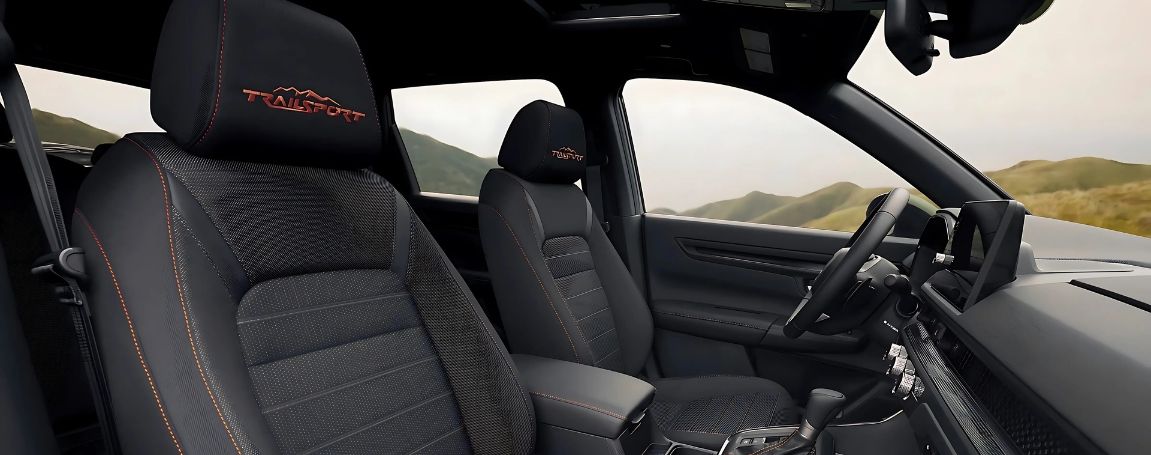
Cabin measurements are generally close, but the Honda finds extra space where passengers are likely to notice it. According to the comparison, the CR-V provides approximately one additional inch of rear headroom and three additional inches of rear legroom and hip room compared with the RAV4. That extra second-row space gives the Honda a practical advantage when adults or growing families regularly occupy the rear seats.
Cargo Numbers Change When the Seats Fold
The RAV4 provides 1,070 litres of cargo capacity with its seats upright, 42 litres more than the Honda. Fold the second row, however, and the CR-V reaches 2,030 litres, giving it 53 litres more maximum capacity than the Toyota. Honda also packages its hybrid battery beneath the cargo floor, allowing the rear seat bottoms to collapse downward and create a flatter folded loading area. The CR-V’s lower ride height can make loading bulky items easier as well.
Fuel Economy Stays Impressively Close
Official NRCan figures for the RAV4 Woodland are 5.7 L/100 km city, 6.7 highway, and 6.2 combined. The CR-V TrailSport is rated at 6.3 city, 7.2 highway, and 6.7 combined. Those figures give the Toyota the numerical efficiency advantage in these particular trims, while Honda’s hybrid system brings its own smooth power-delivery character to everyday driving.
TrailSport Adds Its Own Adventure Hardware
The adventure-oriented versions take noticeably different approaches. Toyota gives the RAV4 Woodland all-terrain tires, slightly increased ground clearance, LED fog lamps, roof crossbars, and a standard trailer hitch. Honda equips the CR-V TrailSport with all-terrain tires and a dedicated low-speed traction mode, plus distinctive orange accents and TrailSport detailing. Both remain primarily road-friendly compact SUVs with added capability for lighter cottage roads, campgrounds, and similar terrain.
|
Highlight |
2026 Honda CR-V Hybrid TrailSport |
2026 Toyota RAV4 Woodland |
|
Engine |
2.0-litre four-cylinder hybrid |
2.5-litre four-cylinder hybrid |
|
Output |
204 horsepower / 247 lb-ft |
236 horsepower / 242 lb-ft |
|
Combined Fuel Economy |
6.7 L/100 km |
6.2 L/100 km |
|
Max Cargo Space |
2,030 litre |
1,977 litre |
Get Acquainted With the CR-V at White Rock Honda
Visit White Rock Honda to explore the 2026 Honda CR-V and experience its passenger space, hybrid driving character, and practical cabin firsthand. For drivers in BC, the CR-V remains a compelling way to bring hybrid efficiency and everyday SUV versatility together.

